
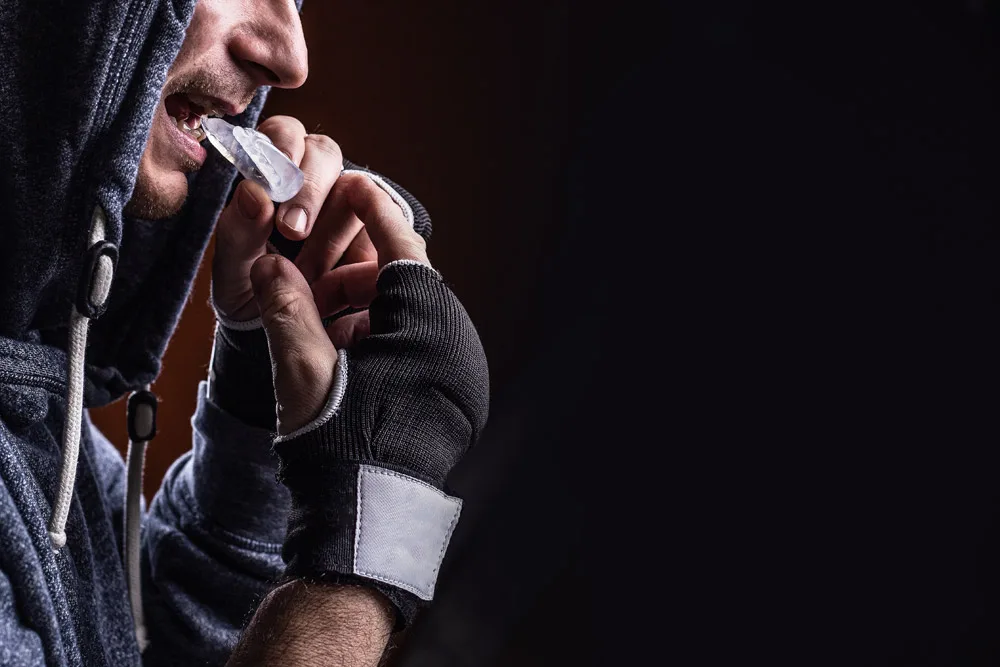
An often overlooked but vital aspect of sports safety is mouthguards. Whether it’s a friendly match in the backyard or a competitive league game, the importance of wearing a mouthguard cannot be overstated. My name is Dr Matthew Salameh, Principal Dentist of Haberfield Dental Practice and my aim is to shed light on the various types of mouthguards available and their significance in different sports, providing families and young athletes with the knowledge needed to prevent unnecessary dental injuries.
The Role of Mouthguards in Sports
Mouthguards serve as a protective shield for the teeth, gums, and soft tissues of the mouth from injuries that are all too common in both contact and non-contact sports. They’re not just about protecting teeth; they also play a crucial role in reducing the risk of concussions and injuries to the jaw. The Australian Dental Association (ADA) strongly advocates for the use of mouthguards in any sport where there’s a risk of contact to the face, emphasising their role in a comprehensive approach to sports safety.
Different Types of Mouthguards
When it comes to choosing a mouthguard, there are three primary types available:
- Stock Mouthguards: These are pre-formed and ready to wear. While they’re the most accessible and affordable option, their fit is often bulky and can interfere with breathing and speaking.
- Boil-and-Bite Mouthguards: Made from thermoplastic material, they are softened in hot water and then shaped around the teeth using pressure from the mouth. They offer a better fit than stock mouthguards but still lack the precision of a custom fit.
- Custom-Fitted Mouthguards: Created by a dental professional from a mould of your teeth, they offer the best protection, comfort, and durability. Though they come at a higher price point, their tailored fit ensures they stay in place, offering superior protection without hindering performance.
Sports That Require Mouthguards
The spectrum of sports necessitating the use of mouthguards is broad, encompassing both contact and non-contact categories. Contact sports like rugby, football, hockey, and martial arts are well-known for their high risk of dental injuries, making mouthguards an essential piece of protective gear. However, it’s equally important in non-contact sports such as basketball, gymnastics, and skateboarding, where accidental falls or impacts can occur. The ADA and sports organisations worldwide recommend mouthguards as a standard part of athletic gear across a wide range of sports to safeguard against dental trauma.
Mouthguards for Children: A Parent’s Guide
For parents of active children, understanding the significance of mouthguards is the first step toward preventing potential dental injuries. It’s crucial to introduce the concept of wearing a mouthguard as a normal part of gearing up for sports, just like shin pads or helmets. When selecting a mouthguard for your child, consider the sport they’re involved in, their level of comfort, and the frequency of use. Starting with a boil-and-bite mouthguard can be a practical choice for children still growing, but as they progress in their sporting activities, investing in a custom-fitted mouthguard becomes increasingly important. Not only does it offer the best protection, but it also communicates to young athletes the importance of prioritising their dental health.
Custom-Fitted Mouthguards: Why They’re the Best Choice
Custom-fitted mouthguards, designed and crafted by dental professionals, offer unparalleled protection and comfort. Unlike their over-the-counter counterparts, these mouthguards are meticulously moulded to fit the unique contours of the individual’s teeth and gums, ensuring a snug fit that minimally interferes with breathing and speech. The precise fit not only maximises the protective barrier against impacts but also significantly reduces the risk of the mouthguard dislodging during play, a common concern with stock or boil-and-bite options.
The process of acquiring a custom-fitted mouthguard involves an initial dental consultation, where an impression of the teeth is taken. This mould is then used to create a mouthguard that fits the athlete’s mouth perfectly. While the cost and time involved are greater than other options, the investment reflects the level of protection and peace of mind offered, making it an essential consideration for athletes engaged in sports with a high risk of dental injury.
Caring for Your Mouthguard
Maintaining the integrity and hygiene of your mouthguard is crucial for its longevity and your oral health. Here are some key care tips:
- Clean Regularly: After each use, rinse your mouthguard with cold water or a mouth rinse. For a deeper clean, use a toothbrush with mild soap and rinse thoroughly.
- Dry Properly: Allow your mouthguard to dry completely before storing it to prevent bacterial growth.
- Correct Storage: Keep your mouthguard in a firm, perforated container to protect it from damage and ensure ventilation. Avoid exposing it to extreme heat, such as direct sunlight or hot water, which can warp its shape.
- Regular Checks: Regularly inspect your mouthguard for signs of wear, tears, or a poor fit. Bring it to your dental check-ups to ensure it’s still offering optimal protection.
Common Myths About Mouthguards
Several myths surrounding mouthguards can deter athletes from wearing them. Let’s address and debunk the most common ones:
- Myth: Mouthguards are only needed for contact sports. Reality: Non-contact sports and recreational activities can also pose a risk to dental health. Accidents, such as falls or collisions with equipment, can occur, making mouthguards a wise precaution.
- Myth: Mouthguards are uncomfortable and hinder performance. Reality: While there may be an adjustment period, modern mouthguards, especially custom-fitted ones, are designed for comfort and minimal interference with breathing and speech.
- Myth: Mouthguards are too expensive. Reality: The cost of a mouthguard is minimal compared to the potential expense of dental repair following an injury. Custom-fitted mouthguards, in particular, represent a valuable investment in long-term dental health.
Incorporating Mouthguards into Your Sports Routine
Making the use of mouthguards a standard part of your sports gear is essential. Start by choosing a mouthguard that suits your needs, and then commit to wearing it consistently during both practice and games. For young athletes, parents and coaches play a crucial role in reinforcing the importance of mouthguards, making their use as habitual as lacing up sports shoes.
Personalising mouthguards with team colours or individual names can also increase their appeal, making athletes more likely to wear them proudly. Remember, the goal is to make mouthguard use a non-negotiable aspect of sports safety, akin to wearing a helmet while cycling.
In the dynamic world of sports, the safety of our athletes, particularly the youngest among us, should always take precedence. Mouthguards emerge as silent protectors in this arena, shielding smiles and fostering confidence. As we’ve explored the various facets of mouthguard use, from choosing the right type to ensuring proper care, it’s clear that a little knowledge and preparation can go a long way in preventing dental injuries.
At Haberfield Dental Practice a best dental clinic in Haberfield, our commitment extends beyond just treating injuries; we’re dedicated to preventing them. With custom-fitted mouthguards tailored to meet the individual needs of our patients, we ensure that athletes can focus on what they love, secure in the knowledge that their dental health is protected.
Embracing the use of mouthguards as a standard part of sporting gear is a step forward in promoting a culture of safety and health. Whether you’re an aspiring athlete or the parent of an active child, consider mouthguards an essential ally in the pursuit of sporting excellence and dental well-being.
FAQ
1. Why is a mouthguard important in sports?
Mouthguards play a crucial role in sports by protecting the teeth, gums, and jaw from potential injuries during physical activity. They help prevent fractures, dislocations, and soft tissue injuries by absorbing and distributing the force of impacts. Additionally, mouthguards can also help reduce the severity of concussions by providing a cushioning effect.
2. What types of sports require a mouthguard?
Mouthguards are recommended for both contact sports like rugby, hockey, football, and martial arts, and non-contact sports that involve a risk of impact from falls or equipment, such as gymnastics, skateboarding, and basketball. Essentially, any sport where there’s a risk of contact to the face, mouthguards should be considered essential protective gear.
3. How do I choose the right mouthguard for me or my child?
The right mouthguard should fit comfortably, allowing for normal breathing and speech, and provide adequate protection without being too bulky. For children and adolescents, whose mouths are still growing, a softer, more adaptable material might be preferable. Many find that custom-fitted mouthguards, made by a dental professional from an impression of the teeth, offer the best fit and protection. However, boil-and-bite mouthguards can be a good temporary or more affordable option.
4. How can I make my child more comfortable with wearing a mouthguard?
Ensuring a proper fit is key to comfort. A custom-fitted mouthguard from a dentist Ashfield can provide a more comfortable fit than off-the-shelf options. Also, involving your child in the process, such as choosing the colour or design, can make them more excited about wearing their mouthguard. Practice wearing the mouthguard at home to help your child get used to the sensation before playing sports.
5. How do I care for a mouthguard?
Rinse the mouthguard with water before and after each use and clean it with a toothbrush and toothpaste or soap and water at least once a week. Store it in a ventilated container to dry completely between uses, and avoid leaving it in hot locations, such as a car dashboard, which can warp its shape. Regularly check for signs of wear and replace it as necessary.
6. Are mouthguards comfortable to wear?
While it may take some time to get used to wearing a mouthguard, especially during intense physical activity, modern materials and custom-fitting techniques have greatly improved their comfort. A well-fitted mouthguard should not cause significant discomfort or interfere with breathing or speaking. If discomfort persists, consult with a dental professional to ensure the mouthguard fits correctly.
By addressing these common queries, individuals and families can make informed decisions regarding the use of mouthguards in sports, ensuring both safety and comfort during athletic activities.