
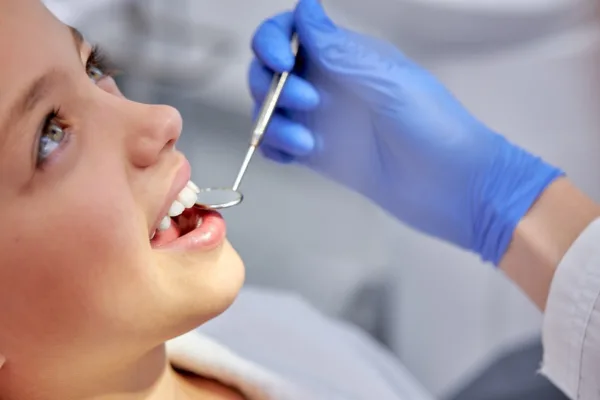
There’s a quiet hero in modern dentistry that doesn’t get as much attention as it should — dental sealants. While brushing, flossing, and routine check-ups are the obvious defenders of oral health, dental sealants offer an added layer of protection, particularly in the fight against cavities. As Dr. Matthew Salameh at Haberfield Dental Practice, I often recommend dental sealants to my patients — especially to younger ones and those prone to tooth decay. Let me walk you through how these invisible shields can safeguard your smile and help protect your teeth for years to come.
What Are Dental Sealants and Why Are They Important?
Dental sealants are thin, protective coatings applied to the grooves of the back teeth — particularly molars and premolars — where decay often begins. These chewing surfaces have deep pits and fissures that can trap food particles and bacteria, making them harder to clean even with good brushing techniques.
Rather than waiting for a cavity to form and treating it with a filling, dental sealants offer a preventative approach, shielding the enamel from harmful acids and plaque build-up. Sealants help protect these vulnerable areas and provide a barrier against the things that lead to tooth decay, helping to preserve your teeth for longer.
How Do Dental Sealants Actually Work?
The process of applying dental sealants is both simple and non-invasive, making it ideal for patients of all ages. Here’s how the process works, step by step:
- Teeth Cleaning – The tooth surface is professionally cleaned to remove any plaque or debris.
- Drying the Tooth – The area is dried and kept isolated using cotton or a rubber dam.
- Etching – A mild acidic solution is applied to the tooth’s surface to create a rough texture for better bonding.
- Rinsing & Drying – The etching solution is rinsed off, and the tooth is dried again.
- Application – The sealant material (usually resin or glass ionomer) is painted onto the pits and fissures.
- Curing – A special curing light is used to harden the sealant and set it in place.
Once in place, the sealant acts as a barrier, keeping out bacteria, food particles, and acids that contribute to tooth decay.
What Attributes Make Dental Sealants Effective?
Below is a summary of key features that make sealants so valuable in preventive dentistry:
| Attribute | Description |
| Composition | Resin-based or glass ionomer materials |
| Appearance | Clear, white, or slightly tinted; barely noticeable |
| Durability | Can last between 5 to 10 years with proper care |
| Suitability | Best for children, teens, and adults with high cavity risk |
| Areas Applied | Molars and premolars – particularly the chewing surfaces |
| Procedure Type | Non-invasive, quick, and painless |
| Maintenance | Requires regular dental check-ups to assess condition and wear |
Which Preventive Treatments Can Sealants Be Compared With?
Understanding how sealants compare to other preventive methods can help patients make informed decisions. Here’s a comparison to help you understand their place in oral care:
| Preventive Method | How It Works | Best Suited For | Frequency | Invasiveness |
| Dental Sealants | Barrier coating on back teeth | Kids, teens, high-risk adults | Every 5–10 years | Non-invasive |
| Fluoride Treatment | Strengthens enamel | All age groups | Every 6 months | Non-invasive |
| Daily Brushing | Removes surface plaque | Everyone | Twice daily | Non-invasive |
| Flossing | Cleans between teeth | Everyone | Once or twice daily | Non-invasive |
Who Should Consider Getting Dental Sealants?
Dental sealants are typically recommended for:
- Children aged 6 to 14 – when their permanent molars first erupt.
- Teenagers – especially if they’ve experienced cavities in baby teeth.
- Adults – with deep grooves in molars or those at higher risk for decay.
- Patients with special needs – where consistent brushing and flossing may be more difficult.
By applying sealants, we can take a proactive step in preventing cavities before they even start.
What Are the Long-Term Benefits of Sealants?
Sealants are a proactive investment in long-term oral health. According to studies, sealants can reduce the risk of decay in molars by nearly 80%, especially during the cavity-prone years of ages 6 to 14. Their benefits include:
- Protection of enamel from acids and plaque.
- Reduced need for fillings or crowns later in life.
- Added support to fluoride treatments.
- Minimal maintenance – just routine dental checks.
By protecting your teeth from the very beginning, sealants can save you time, discomfort, and money down the line by preventing costly and invasive procedures.
How Do Sealants Complement Good Oral Hygiene?
Dental sealants aren’t a replacement for regular dental hygiene, but they are a powerful supplement. They enhance the effect of brushing and flossing by guarding hard-to-reach areas. When paired with:
- Twice-daily brushing with fluoride toothpaste
- Regular flossing
- A balanced, low-sugar diet
- Six-monthly dental check-ups
Sealants become part of a strong, holistic defence against decay, further strengthening your oral hygiene routine.
Can Adults Benefit from Dental Sealants?
Absolutely. While dental sealants are often associated with children, adults with healthy molars and no fillings can also benefit from sealants — particularly those with deep grooves or a history of frequent cavities. Sealants can provide an extra layer of protection even as we age, especially in areas that are prone to decay.
Why Trust Haberfield Dental Practice for Preventive Dental Care?
When it comes to preventive dentistry, the team at Haberfield Dental Practice stands out for their commitment to patient-first care and long-term results. With a gentle approach tailored for both children and adults, we make the sealant process smooth, reassuring, and effective.
At Haberfield Dental Practice, your comfort and oral health are our highest priority. The practice uses state-of-the-art materials and techniques to ensure that every patient receives high-quality, reliable care that lasts. Whether you’re bringing in your child for their first molar sealants or you’re an adult curious about boosting your own cavity protection, our expert dental team is here to guide you.
With a strong community reputation and a focus on personalised service, Haberfield Dental Practice is your partner in creating healthy smiles for life.
References
- Australian Dental Association – https://www.ada.org.au
- Oral Health CRC – The University of Melbourne – https://oralhealthcrc.org.au
- AIHW (Australian Institute of Health and Welfare) – Dental Health – https://www.aihw.gov.au/reports-data/health-welfare-services/dental-care/overview
- CDC – Dental Sealants Facts – https://www.cdc.gov/oralhealth/dental_sealant_program/index.htm
Frequently Asked Questions
- Are dental sealants only for children?
- No. While commonly used in children, adults with healthy molars and no fillings can also benefit from sealants.
- How long do dental sealants last?
- With proper care, sealants can last between 5 to 10 years. Your dentist will monitor them during regular visits.
- Can sealants be applied over cavities?
- Sealants are best used on teeth without decay. However, in some cases, they may be used over very early signs of decay to stop it from worsening.
- Do sealants replace brushing and flossing?
- No. Sealants work best alongside proper brushing, flossing, and regular dental check-ups.
- Are there any risks or side effects?
- Dental sealants are considered extremely safe. Allergic reactions are rare, and the materials used are widely accepted in dental practice.
- How soon after application can I eat?
Patients can eat shortly after the sealants are cured, though it’s best to avoid sticky or hard foods for a few hours.