
By Dr Matthew Salameh – Principal Dentist at Haberfield Dental Practice
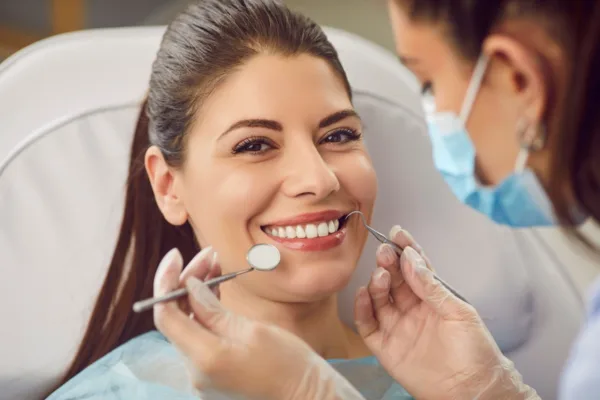
When patients visit me for a routine check-up, they’re often surprised to learn how much more goes into an oral examination than just looking for cavities. While tooth decay is important to monitor, a thorough dental check-up goes far beyond that. As your smiley dentist, my role is to assess the entire oral environment — teeth, gums, jaw, soft tissues — and detect early signs of problems that may not be causing any symptoms yet.
Let me walk you through exactly what I look for during an oral exam, and why each component matters for your long-term oral health.
Why Are Oral Exams More Than Just a ‘Check-Up’?
Oral health can be an early indicator of broader health issues. There are times I’ve picked up on signs that suggest a patient may need a medical review — whether it’s related to diabetes, vitamin deficiencies, or habits like smoking that are taking a toll on the mouth.
My exams are designed to be non-invasive, preventative, and as comfortable as possible. Every assessment is tailored to each person’s needs, health background, and dental history. We’re not just searching for problems — we’re aiming to protect and preserve your health before issues become more serious.
What Exactly Do I Check During an Oral Examination?
Here’s a quick look at the key areas I assess and the tools I use during a typical exam:
Table 1: Areas I Examine During Your Visit
| Area Evaluated | Why I Check It | Tools Used |
| Teeth | To identify cavities, erosion, fractures, and wear | Mirror, probe |
| Gums | To screen for signs of gum disease or inflammation | Periodontal probe |
| Tongue & Soft Tissues | To detect abnormalities or oral cancer signs | Visual & tactile inspection |
| Jaw & Bite Alignment | To check for clenching, grinding, or misalignment | Manual palpation, observation |
| Fillings & Crowns | To ensure existing restorations are sound | Explorer, mirror |
| Throat & Palate | To screen for swelling, discolouration, or lesions | Visual check |
| Radiographs (if needed) | To view areas not visible to the eye | X-rays (if clinically indicated) |
What Are the Red Flags I Look Out For?
Some of the most common concerns I check for may not cause discomfort initially but could lead to complications if left untreated. Here are a few red flags that prompt further investigation during my exams:
- Bleeding or receding gums
- Chronic bad breath
- Sensitive or wobbly teeth
- Jaw discomfort or clicking
- Signs of enamel erosion
- Ulcers or patches on soft tissue
- Dry mouth
- Past dental work showing signs of wear or leakage
Do I Check Your Gum Health Too?
Absolutely. Healthy gums are the foundation of a healthy mouth. During each check-up, I assess your gum line for signs of inflammation, recession, or pockets forming between the teeth and gums — a common sign of gum disease.
Using a periodontal probe, I measure the depth of these pockets. Anything above normal ranges could indicate gingivitis or periodontitis. This part of the exam is gentle, and early detection can often lead to simple, non-invasive treatment to reverse or manage the issue.
What Happens When I Assess Your Bite or Jaw?
You may not even realise you clench or grind your teeth — especially at night. Over time, this can lead to worn enamel, fractured teeth, or TMJ (temporomandibular joint) issues. I always check how your teeth come together and whether your bite is balanced. If I notice tension in the jaw or signs of wear, I may recommend further investigation or solutions like a custom night splint.
How Do I Screen for Oral Cancer?
This is one of the most important — but often overlooked — parts of an oral exam. I carefully inspect the lips, cheeks, tongue, palate, and throat for any abnormal patches, lumps, ulcers, or colour changes. These checks are done visually and by touch.
Most of the time, what I see is completely harmless. But early detection of any suspicious changes can make a significant difference if follow-up care is needed.
What If You Already Have Fillings or Crowns?
Fillings, crowns, or bridges don’t last forever — especially if habits like clenching or acidic diets are involved. I always check for signs of wear, cracks, or leakage around old dental work. Catching issues early allows us to address them before they lead to further decay or discomfort.
Are Dental X-Rays Necessary Every Time?
Not at all. I only recommend dental X-rays when they’re clinically necessary. These might be used to investigate a concern I can’t see visually, such as decay between teeth, infection at the root tip, or bone loss.
When taken, X-rays are done under strict safety protocols and always with your informed consent.
Does Medical History Influence the Exam?
Yes, your medical background plays a key role. Many health conditions — like diabetes, autoimmune disorders, or certain medications — can affect your mouth. During each appointment, I review your medical history and adjust the exam accordingly. If you’re on medications that reduce saliva or increase decay risk, we discuss tailored preventative options.
What Preventative Advice Do I Offer After the Exam?
Every visit ends with practical, evidence-based recommendations. These are based on what I’ve seen during your check-up and tailored to your specific needs. Advice might include:
- Updating brushing or flossing technique
- Switching to a toothpaste with higher fluoride levels
- Using specific mouthwashes if gum inflammation is present
- Dietary tips for protecting enamel
- Custom sports or night mouthguards if needed
What Common Symptoms Could Point to Hidden Problems?
Sometimes patients mention things in passing that give me deeper insight. Here’s a table outlining symptoms that often lead me to investigate further:
Table 2: Oral Health Symptoms and What They May Indicate
| Symptom | What It Might Suggest | Next Step |
| Bleeding while brushing | Early gum disease | Detailed periodontal check |
| Tooth sensitivity | Worn enamel, decay, or gum recession | Desensitising treatment, monitoring |
| Clicking jaw or jaw pain | TMJ disorder or bite misalignment | Bite assessment or occlusal splint |
| White or red patches | Possible soft tissue abnormality | Monitoring or referral if required |
| Persistent bad breath | Gum infection or poor oral hygiene | Deep cleaning or oral hygiene review |
Why Choose Me at Haberfield Dental Practice?
As the principal dentist at Haberfield Dental Practice, I take pride in offering thorough, respectful, and evidence-based care tailored to each individual. My focus is on preventative dentistry — helping you stay ahead of issues rather than reacting to them. Every oral examination I perform is guided by clinical detail, not assumption, and designed to make you feel confident and informed about your health.
Whether you’re visiting for the first time or continuing your oral health journey, I welcome the opportunity to provide you with a comprehensive, thoughtful examination. My team and I are committed to your comfort, your understanding, and your long-term health. That’s the Haberfield Dental difference.
References
- Australian Dental Association. “Your Dental Visit.”
https://www.ada.org.au - Healthdirect Australia. “Oral Health: Dental Check-ups.”
https://www.healthdirect.gov.au/oral-health - Cancer Council Australia. “Oral Cancer.”
https://www.cancer.org.au/cancer-information/types-of-cancer/oral-cancer
Frequently Asked Questions (FAQs)
- How long does a typical oral exam take?
An oral exam usually takes around 30 minutes, depending on individual needs and whether X-rays or additional checks are required. - Will I always need a professional clean at every check-up?
Not always. It depends on the amount of plaque or tartar buildup and your gum health. In many cases, a scale and polish will be recommended as part of routine care. - Can you detect issues even if I’m not feeling pain?
Yes. Many oral health problems, including decay and early gum disease, may not cause symptoms initially. That’s why regular exams are so important. - Do I need to fast or prepare before a dental check-up?
No preparation is required. Just brush as you normally would and bring any updated medical information or medication list. - How do you check for grinding or clenching?
I look for wear patterns on the teeth, tightness in the jaw muscles, and ask about morning headaches or jaw discomfort — all of which can point to grinding. - Is it okay to have a dental exam if I’m pregnant?
Yes, and it’s often encouraged. Pregnancy can affect gum health, so regular monitoring is important.
Disclaimer
All dental procedures involve potential risks and benefits. The information provided in this blog is general in nature and should not be taken as medical advice. We recommend that you seek guidance from a suitably qualified health professional before making decisions about your oral health. Where appropriate, you may also wish to consider obtaining a second opinion.
Any images or videos featured are shared with the informed consent of our patients and are intended for educational purposes only. They are not a guarantee of results, as every patient is unique. Treatment outcomes — including recovery, potential complications, and effectiveness — can vary from person to person.