
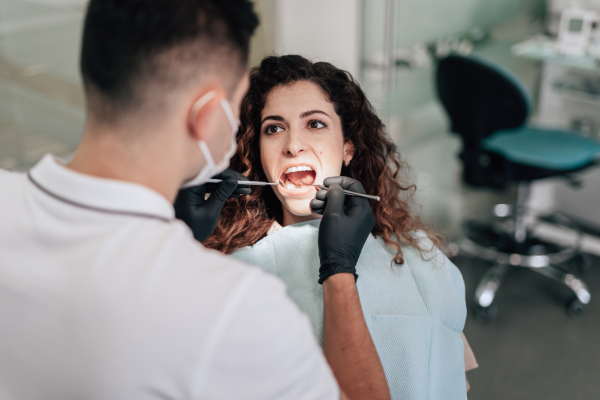
When it comes to maintaining oral hygiene after a root canal, I’ve found that many patients are unsure about the proper steps to ensure long-term success. As Dr. Matthew Salameh, I aim to guide you through essential tips to help you maintain your oral health after this crucial procedure. A root canal is a significant treatment, and following the correct aftercare routine is vital for a smooth recovery and the longevity of your dental health.
Why Is Oral Hygiene Important After a Root Canal?
After a root canal, the affected tooth may have been saved, but it remains vulnerable. Proper oral hygiene is crucial to prevent infection, reduce discomfort, and protect the treated area. By maintaining an optimal oral care routine, you can ensure that your tooth heals effectively and continues to function without issues.
How Should You Brush After a Root Canal?
One of the key aspects of oral hygiene after a root canal is brushing your teeth correctly. The treated tooth may be sensitive, and it’s essential to use a soft-bristle toothbrush. Gently brush your teeth using small circular motions, paying close attention to the gum line without applying too much pressure around the treated area. This method prevents irritation and promotes healing, keeping the area clean without causing unnecessary discomfort.
| Aftercare Activity | Recommendation | Purpose |
| Brushing | Use a soft-bristle toothbrush and gentle strokes around the treated tooth. | Prevents irritation and promotes healing. |
What Role Does Flossing Play in Post-Root Canal Care?
Flossing is another critical component of your oral hygiene routine. After a root canal, it’s important to be careful while flossing around the treated tooth. The tooth may be more susceptible to damage, especially if a temporary filling or crown is in place. Floss gently, ensuring you do not disturb the treated area, but make sure to remove any food particles and plaque between your teeth to avoid infection.
| Aftercare Activity | Recommendation | Purpose |
| Flossing | Floss carefully to avoid disturbing the filling or crown. | Maintains oral hygiene without harming the tooth. |
Is Antibacterial Mouthwash Necessary After a Root Canal?
Using an antibacterial mouthwash is highly recommended after a root canal. It helps reduce the risk of infection by eliminating bacteria that may cause complications. A mouthwash containing chlorhexidine can be particularly effective. Rinse your mouth twice a day, especially after meals, to keep harmful bacteria at bay and support your overall oral hygiene.
| Aftercare Activity | Recommendation | Purpose |
| Mouthwash | Use an antibacterial mouthwash twice daily. | Reduces the risk of infection. |
What Foods Should You Avoid After a Root Canal?
Your diet plays a significant role in the recovery process. After a root canal, it’s best to avoid certain foods that could harm the treated tooth. Foods that are hard, crunchy, or sticky should be avoided as they can place undue stress on the tooth and may even cause damage to temporary restorations.
Foods to Avoid:
- Hard nuts and seeds: These can crack or damage the tooth.
- Crunchy vegetables like carrots: These require strong biting force, which can affect the treated area.
- Sticky foods such as gum or toffees: These can pull on the filling or crown, leading to potential complications.
- Chewy meats: These might be difficult to manage and could irritate the treated tooth.
- Very hot or cold foods and drinks: These can cause sensitivity and discomfort.
- Sugary snacks and sodas: These increase the risk of decay, particularly around the treated area.
| Aftercare Activity | Recommendation | Purpose |
| Diet | Avoid hard, crunchy, and sticky foods. | Protects the treated tooth from damage. |
Instead, opt for softer, nutrient-rich foods like yoghurt, smoothies, and well-cooked vegetables that are gentle on your teeth while providing essential nutrients for healing.
How Can You Manage Discomfort After a Root Canal?
It’s normal to experience some discomfort after a root canal. However, managing this discomfort effectively is essential for your comfort and overall oral health. Over-the-counter pain relievers, such as paracetamol, can help alleviate pain. Additionally, using a cold compress on the outside of your cheek near the treated area can reduce swelling and numb any pain.
Avoiding extreme temperatures in your food and drinks can also prevent sensitivity. Stick to lukewarm or room-temperature items to ensure you’re not aggravating the treated tooth.
Why Are Regular Dental Check-Ups Important Post-Treatment?
Regular follow-up appointments with your dentist Summer Hill are crucial after a root canal. These check-ups allow your dentist to monitor the healing process and ensure no complications arise. During these visits, your dentist Drummoyne can assess whether the tooth is healing properly, if the temporary filling needs replacement with a permanent restoration, or if any additional treatment is required.
| Aftercare Activity | Recommendation | Purpose |
| Follow-Up Visits | Attend scheduled dental appointments for check-ups. | Ensures the treated tooth is healing correctly. |
How Do You Maintain Oral Hygiene Long-Term After a Root Canal?
Maintaining oral hygiene after a root canal isn’t just about the immediate aftermath; it’s about long-term care. Brushing twice daily, flossing correctly, and using an antibacterial mouthwash should become a permanent part of your routine. It’s also important to stay hydrated, as saliva plays a vital role in keeping your mouth clean and bacteria-free.
Additionally, consider using a fluoride toothpaste to strengthen your teeth and protect against future decay. Regular dental visits every six months will also ensure that any potential issues are caught early and managed appropriately.
| Aftercare Activity | Recommendation | Purpose |
| Hydration | Drink plenty of water throughout the day. | Keeps the mouth clean and aids in healing. |
What Are the Signs of Potential Complications?
While most root canals are successful and the treated tooth heals without issues, it’s important to be aware of signs that may indicate complications. Some signs to watch for include:
- Persistent pain or discomfort: This could suggest that the infection hasn’t been fully eliminated or that there’s an issue with the restoration.
- Swelling around the treated tooth: Swelling could indicate infection or an adverse reaction.
- Sensitivity to pressure: If biting down causes pain, it may indicate a problem with the filling or crown.
- Pus or discharge from the treated area: This is a clear sign of infection and requires immediate attention.
- Fever or general malaise: A fever may indicate an infection that has spread beyond the tooth.
- Discoloration of the tooth: This could suggest further damage to the tooth’s structure.
If you experience any of these symptoms, it’s essential to contact your dentist Leichhardt promptly. Early intervention can prevent more serious complications and ensure that your tooth is preserved.
What Does Research Say About Post-Root Canal Care?
Recent studies have highlighted the importance of maintaining proper oral hygiene after a root canal to prevent complications and ensure long-term success. For example, a study published in the Australian Dental Journal emphasised the role of antibacterial mouthwash in reducing post-treatment infections. Additionally, research by the University of Sydney pointed out the benefits of regular dental check-ups in monitoring the healing process and maintaining oral health after a root canal.
Why Should You Consider Professional Care at Haberfield Dental Practice?
Taking care of your teeth after a root canal is essential, and having the right dental team by your side can make all the difference. At Haberfield Dental Practice, we are dedicated to providing personalised, high-quality care to ensure your dental health is maintained. Whether you need a follow-up appointment or advice on maintaining oral hygiene post-treatment, we’re here to support you every step of the way.
In conclusion, maintaining oral hygiene after a root canal is vital for the longevity of the treated tooth and your overall dental health. By following these tips and working closely with your dentist Ashfield, you can ensure a successful recovery and keep your smile healthy and bright.
By following all these steps, you should be well-equipped to maintain excellent oral hygiene after your root canal treatment. For personalised care and further assistance, feel free to reach out to me, Dr. Matthew Salameh, at Haberfield Dental Practice.
References:
- Antibacterial mouthwash use after root canal treatment – Australian Dental Journal. Retrieved from https://www.ada.org.au/
- University of Sydney study on dental health post-root canal – Retrieved from https://www.sydney.edu.au/
- Here are six FAQs and answers on the topic of maintaining oral hygiene after a root canal:
Frequently Asked Questions
Can I brush my teeth immediately after a root canal?
Answer: Yes, you can brush your teeth after a root canal, but it’s important to be gentle. Use a soft-bristle toothbrush and avoid applying too much pressure around the treated area to prevent irritation. Focus on small, circular motions and take care not to disturb any temporary filling or crown.
How often should I use mouthwash after a root canal?
Answer: After a root canal, it’s recommended to use an antibacterial mouthwash twice daily, particularly after meals. This helps to reduce the risk of infection by eliminating harmful bacteria and ensuring the treated area stays clean during the healing process.
What foods are safe to eat after a root canal?
Answer: After a root canal, it’s best to stick to soft, easy-to-chew foods that won’t stress the treated tooth. Good options include yoghurt, smoothies, mashed potatoes, well-cooked vegetables, and soups. Avoid hard, crunchy, or sticky foods that could damage the tooth or affect any temporary restorations.
How can I tell if my root canal is healing properly?
Answer: Healing after a root canal should progress smoothly, with any discomfort diminishing within a few days. Signs of proper healing include reduced sensitivity, no swelling, and the absence of pain when biting. If you experience persistent pain, swelling, or discharge, it’s important to contact your dentist Five Dock as these could be signs of complications.
Do I need to visit the dentist again after a root canal?
Answer: Yes, follow-up visits are crucial after a root canal. Your dentist will need to monitor the healing process, ensure the tooth is recovering well, and replace any temporary filling with a permanent one if necessary. Regular check-ups also help prevent potential complications.
Is it normal to experience sensitivity after a root canal?
Answer: Some sensitivity is normal after a root canal, particularly when the tooth is exposed to extreme temperatures or pressure. This should gradually subside within a few days. However, if the sensitivity persists or intensifies, it’s important to consult your dentist Haberfield to rule out any issues with the treatment.