
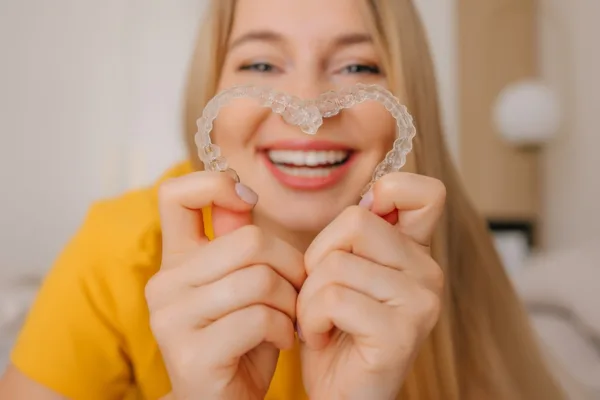
When it comes to straightening teeth, both Invisalign and traditional braces are effective options, each with unique features. With the increasing popularity of teeth straightening treatments in Australia, many people are curious about the best method to achieve a brighter smile. At Haberfield Dental Practice, our experts can help you make an informed decision. This blog highlights the differences between Invisalign and dental braces, along with their advantages and disadvantages.
Which One is Better: Invisalign or Traditional Braces?
Both traditional braces and Invisalign have their own advantages, making the decision largely dependent on individual needs and preferences. Consulting with your orthodontist is crucial to determine the best option for you, allowing you to play an active role in your dental health and ensuring you are comfortable with your choice.
Advantages of Traditional Braces
Traditional braces offer several benefits for treating misaligned teeth:
Suitable for All Treatments
Traditional braces are versatile and can handle a wide range of orthodontic issues. Their design, with wires and anchors, effectively moves teeth into the correct position.
Better Results
Braces have been used for many years and are known for providing reliable results. They gradually enhance facial expressions as they correct teeth alignment.
Faster Treatment Time
Although the treatment time depends on the complexity of each case, traditional braces often work faster compared to Invisalign. They are generally more effective for severe misalignments.
Multiple Types of Braces
There are various types of braces available, such as ceramic, lingual, and clear braces. This variety allows you to choose the type that best suits your needs, with guidance from your orthodontist.
Disadvantages of Traditional Braces
Despite their benefits, traditional braces have some drawbacks:
Aesthetics
Traditional braces are highly visible, which can make some people self-conscious. The metal wires and brackets are noticeable and may affect social interactions.
Difficulty in Brushing
Food can get stuck in the wires and brackets, making brushing more challenging. This can lead to irritation and increase the risk of bacteria buildup and dental diseases.
Difficulty Eating
Eating can be difficult with traditional braces, as food tends to get trapped. This necessitates careful dietary choices to avoid discomfort and maintain oral hygiene.
Advantages of Invisalign
Invisalign offers several appealing benefits:
Aesthetic Appearance
Invisalign aligners are nearly invisible, making them a popular choice for those who prefer a discreet option. Their transparency enhances facial appearance without drawing attention.
Easy Brushing and Flossing
Invisalign aligners are removable, making it easy to brush and floss. This helps maintain better oral hygiene compared to traditional braces.
Disadvantages of Invisalign
Invisalign also has some limitations:
Costly
The advanced technology used in creating Invisalign aligners, including 3D scanning, makes them more expensive than traditional braces. The cost can increase as new aligners are needed to adjust to changes in teeth alignment.
Inconvenience
Removing and reinserting Invisalign aligners can be inconvenient, especially during meals. Forgetting to put them back in can delay the treatment process.
Conclusion
Both Invisalign and traditional braces have their own set of advantages and disadvantages. Traditional braces are cost-effective and preferred by many with financial constraints, while Invisalign offers a more aesthetic and flexible option. Ultimately, the choice depends on your personal preferences and orthodontic needs. For expert advice on teeth straightening, book an appointment with dentist Ashfield.
Frequently Asked Questions (FAQs)
Is professional guidance necessary during the teeth straightening procedure?
Yes, professional guidance is crucial throughout the treatment. Regular visits to your orthodontist ensure your progress is monitored and adjustments are made as needed.
Which one is more painful, Invisalign or traditional braces?
Traditional braces can be slightly painful initially, but the discomfort usually subsides as you get used to them. Invisalign is generally not painful, as it lacks wires and brackets.
How long do braces and Invisalign take to fix teeth alignment?
The duration of treatment depends on the complexity of the case and the orthodontist’s experience. Regular consultations with your orthodontist will provide a more accurate timeline.